Bread. Glorious bread. And what about pasta. Who can live without it, and yet so many of us are not able to eat bread or pasta because of gluten intolerance’s and other sensitivities. Let’s face it. It’s almost impossible to mimic or try and make a copy of real gluten bread or your favourite pasta. That stretchy feel when you knead your bread and the soft fluffy dough when you put it in your oven and watch it bake. Very little can compare to that.
It’s so confusing trying to figure out if you can eat something like Buckwheat or Quinoa because the name implies it contains wheat but in actual fact it does not. Is Buckwheat a good alternative to eat and replace your normal bread and pasta with? Well let’s have an in dept look at these two misunderstood grains and see it we could maybe just maybe still have our bread and eat it!
What is Buckwheat?
What is Buckwheat and why is it called a “wheat”.
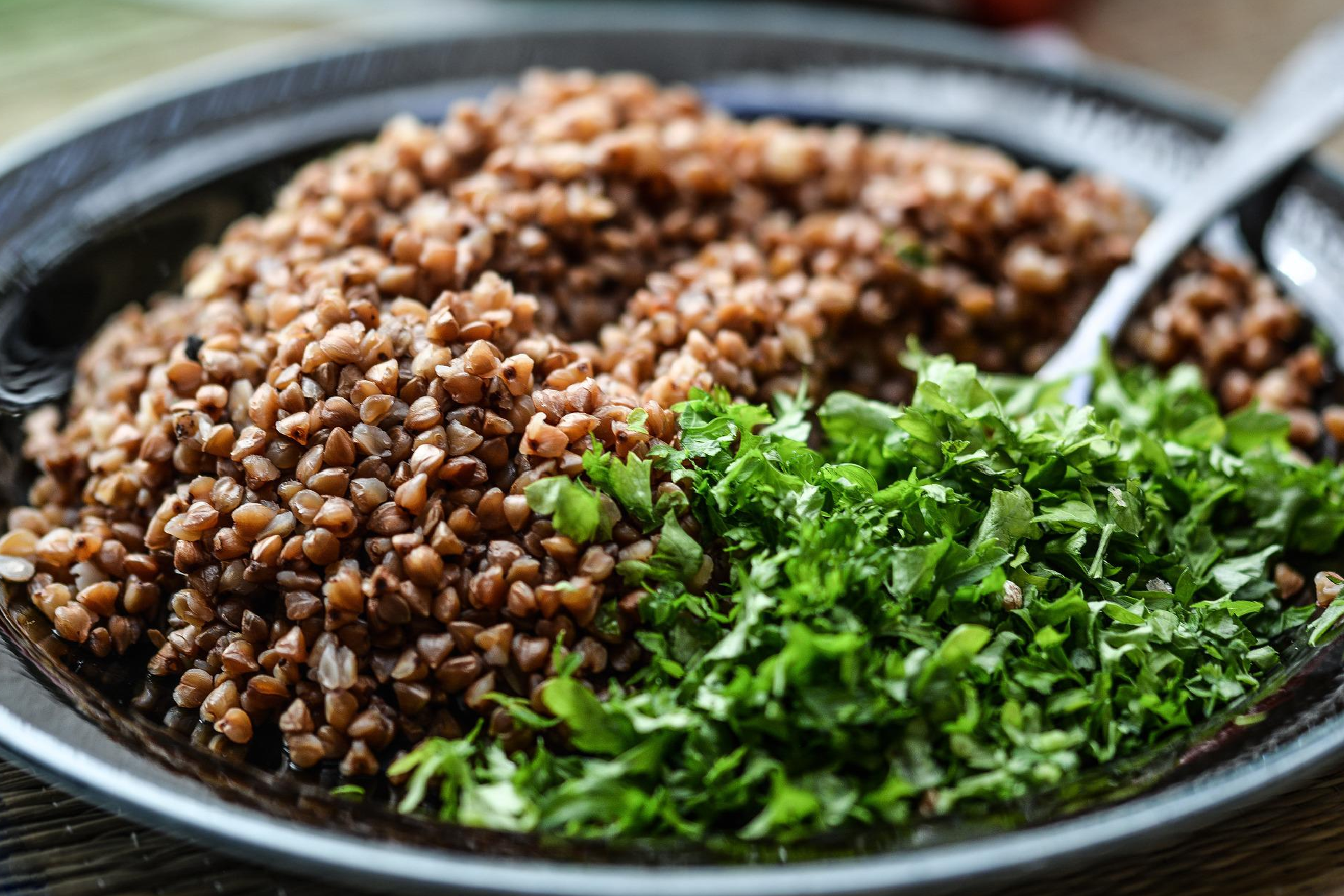
Buckwheat belong to a group of food called pseudocereals. These pseudocerals are consumed as cereal grains but they do not grow on grass including Quinoa & Amaranth. Despite Buckwheat’s name it is not related to wheat and it thus gluten free.
Buckwheat is processed into flour & noodles and used in many European & Asian dishes. It has become a popular health food due to it’s high mineral and antioxidant content. Benefits of consuming Buckwheat may improve Blood sugar control. Buckwheat contains healthy carbs, protein, fibre and other minerals, nutrients & antioxidants.
BENEFITS OF CONSUMING BUCKWHEAT
- It may help control blood sugar due to a unique compound called D-chiro-inositol. This soluble carb makes cells more sensitive to insulin. In addition to this Buckwheat seem to prevent or delay the digestion of table sugar.
- Buckwheat may improve heart health due to the heart-healthy compounds such as rutin, magnesium, copper, fibre and certain proteins. Rutin is an antioxidant which help prevent the formation of blood clots and decreasing inflammation and blood pressure.
- Buckwheat is rich in Vit B1 which forms ATP (adenosine triphosphate) which the body uses for energy. It also helps break down carbs for the body cells to use.
- Good for bones and teeth as it is a rich source of Calcium and Magnesium.
- Buckwheat is rich in Folate which helps the body produce and maintain new cells, especially red blood cells. Consuming Folate before and during pregnancy helps prevent major birth defects concerning the baby’s brain.
- Buckwheat is considered an anti-hypertension seed due to it’s high potassium and low sodium content which reduces the restriction of blood vessels and acts as vasolidator. It also regulates electrolytes balance in the body, thus managing blood pressure.
- Buckwheat also helps healthy hair growth due to it’s complex carbs, abundant B complex vitamins & zinc.
Potential downside to consuming Buckwheat could be an allergic reaction including skin rashes, swelling & digestive upset. Allergic reactions are more common in those already allergic to Rice or Latex. Apart from causing allergic reactions in some people buckwheat does not have any adverse side effects when eating in moderation.
WHAT IS QUINOA?
Quinoa is an ancient grain that has been around since ancient times. It is an easy to grow nutritious, gluten free grain alternative with nutrient dense health benefits. Quinoa is known as one of the best super foods containing a good source of protein, fibre, iron, thiamine, copper and Vit B6. It is also considered to be an excellent source of phosphorous, manganese, magnesium and folate. The unusual composition and exceptional balance of protein and fat along with minerals, antioxidants, vitamins and fatty acids, make it a highly wholesome food.
BENEFITS OF QUINOA
- Quinoa promotes weight loss due to it’s high fibre content as well as a compound called 20-hydroxyecdysone, known to help with weight control. Research suggests that this compound helps burn more calories and absorb less fat from our diets.
- Helps prevents Osteoporosis as it is rich in Magnesium. It’s also rich in protein a nutrient that help serves as a building block for the bones. Moreover it contains all 9 essential amino acids that the body cannot produce on it’s own.
- Quinoa protects the heart because of the soluble fibre that combines with the bile acids in the liver and produces a jelly like substance that’s excreted in your bowels. The liver utilises some of the cholesterol in your body to produce these bile acids. When the stores are depleted your liver pulls cholesterol from your body to produce these acids thus Quinoa somehow makes your liver extract cholesterol from your blood which lowers bad cholesterol and reduce the risk of coronary heart disease.
- Quinoa improves skin health being rich in B vitamins and nutrients that help treat age spots and other conditions related to skin pigmentation by reducing the deposits of dark melanin in the skin. Vitamin B12 interacts with the other B vitamins to maintain a healthy skin complexion. Vitamin B3 also help soothe acne and soothes the red inflamed areas often associated with acne breakouts. The Vit A in Quinoa help slow the ageing process and reduce fine lines together with riboflavin or Vit B2 that improves skin elasticity.
- Quinoa produces butyrate, a fatty acid that turns off genes related to inflammation. The B vitamins in Quinoa reduces homo cysteine levels (an inflammatory hormone) in the body. Moreover the fibre in Quinoa releases acetate which travels to the brain and signals us to stop eating. Quinoa also contains compounds called saponins which have anti-inflammatory properties.
- Quinoa can help fight cancer due to it high antioxidants that fight free radicals and other harmful substances that cause cancer.
- Quinoa helps fight diabetes and hypertension being a whole grain and high in fibre that does not cause blood sugar levels to rise. Being a complex carbohydrate it is broken down slower allowing the blood sugar to be more stable.
- Quinoa improves metabolism and significantly reduces appetite.
- Quinoa aids in combating anaemia due to it’s Iron and Riboflavin contents.
- Quinoa helps with digestion. Fibre stimulates the walls of your digestive tract. Your tract contracts and promotes better absorption of nutrients in the small intestine and prevents constipation. The B vitamins in Quinoa plays a role one of these being Thiamine which helps in the production of hydrochloric acid that aids in digestion.
- Aids tissue repair and growth being rich in Lysine and high in protein.
Cool facts about quinoa
Quinoa is not a grain it is relative to spinach, chard and beets. Humans have been consuming Quinoa for more than 4000 years. About 20 years ago NASA Researchers declared Quinoa the perfect snack for astronauts on long term missions, as it is rich in minerals, gluten free and a complete protein. Quinoa can easily replace rice both white and brown in many dishes.

SO WHAT CAN YOU DO WITH THESE TWO GRAINS?
Buckwheat comes in groats and can be cooked and enjoyed with any meal. It also comes in flour that can be used in instant breads and other savoury dishes. If you are a keen baker you can use this flour to experiment and replace normal flour.
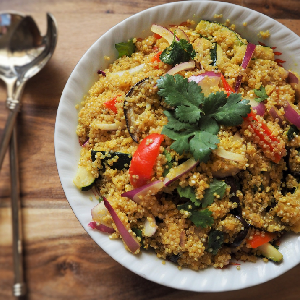
Quinoa can be used as you would use rice when preparing dishes like curries or stews. It cooks within 15 minutes, fluffy and very tasty. It also comes in a flour which can be mixed with Buckwheat flour to use in bread making or savoury dishes.
” Healthy food is never boring”
-Osonatural
CONCLUSION!
We are no experts or trained professionals. We’re just a few passionate individuals looking for ways to enhance our lives and those of others by sharing our knowledge and creating awesome products free from harmful ingredients to be used with confidence everyday knowing that you made the best choice possible for your health sake. Adding Buckwheat or Quinoa to your daily diet can be the better option when trying to cut out gluten from your diet.
This post is not intended to diagnose, treat, cure or prevent any disease and are the opinions and thoughts of the writer out of personal experience and research into the subject.